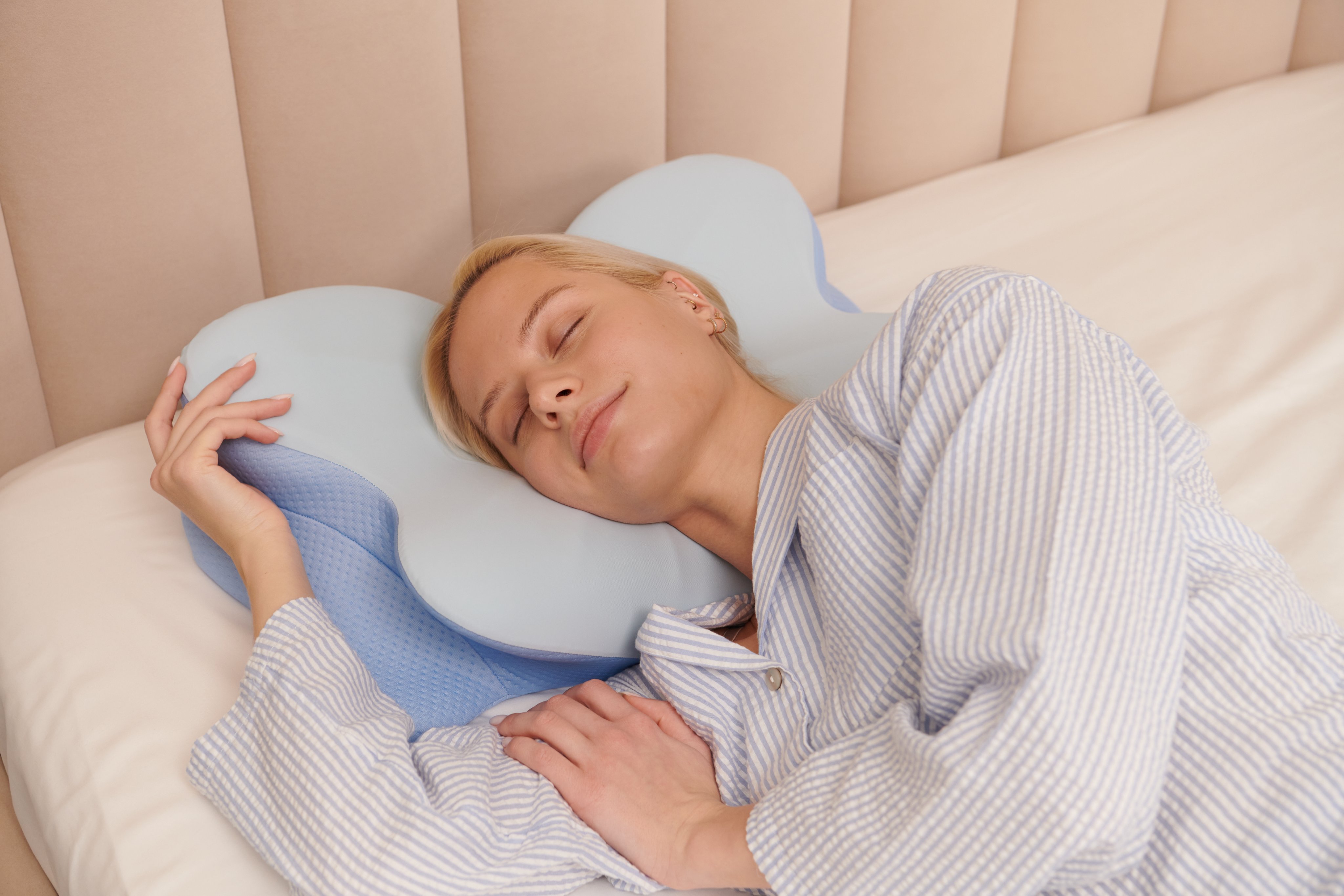
Restorative sleep begins with proper cervical support
Millions of adults wake each morning with neck stiffness, shoulder tension, or the lingering sense that their rest was incomplete. While mattresses often receive the bulk of attention in sleep-health discussions, emerging clinical observations increasingly point to the pillow as a critical—and frequently overlooked—determinant of nocturnal spinal posture and recovery quality.
The Derila ERGO orthopedic memory foam pillow was developed specifically to address the biomechanical demands of the cervical spine during sleep. Unlike conventional filled pillows that collapse or shift under load, this design employs viscoelastic memory foam engineered to contour to the unique curvature of the neck and head, promoting a more neutral alignment throughout the night.
Why Pillow Design Matters for the Cervical Spine
During sleep the cervical spine must maintain a position that approximates its natural lordotic curve. When a pillow is too high, too low, or too firm, the neck is forced into flexion, extension, or lateral tilt for hours at a time. Over weeks and months this sustained postural stress can contribute to muscle guarding, facet joint irritation, and the familiar constellation of morning headaches and restricted range of motion.

Lateral view of the cervical spine – maintaining a healthy curve is essential for load distribution and comfort
Orthopedic principles applied to sleep surfaces emphasize three interrelated goals: (1) preservation of natural spinal curvature, (2) even distribution of contact pressure, and (3) minimization of pressure points that trigger micro-arousals. The Derila ERGO memory foam pillow is constructed around these same objectives.
Key biomechanical insight: A properly contoured orthopedic pillow can reduce the muscular effort required to stabilize the head, allowing the deep neck flexors and extensors to recover rather than remain partially contracted throughout the night. This reduction in resting muscle tone is one of the mechanisms linked to decreased morning stiffness.
Memory Foam and Pressure Redistribution
Viscoelastic memory foam responds to both body heat and pressure. As the head settles into the Derila ERGO, the material softens and conforms, creating a larger contact surface area. Larger surface area means lower peak pressure on the occiput and the delicate tissues around the cervical spine.

The contoured shape cradles the head while supporting the natural cervical curve
Clinical literature on pressure-mapping technology consistently shows that conventional polyester or down pillows produce localized high-pressure zones. In contrast, high-density memory foam surfaces tend to flatten those peaks. For side sleepers—who place the greatest load on one shoulder and the lateral neck—this difference can be especially noticeable.
Users of the Derila ERGO orthopedic pillow frequently report that the initial “sinking” sensation stabilizes within minutes, after which the head feels securely cradled rather than perched or sunken. This dual behavior (initial conformity followed by supportive resistance) is characteristic of quality viscoelastic formulations.
Side, Back, and Stomach Sleepers: One Design, Multiple Positions
Sleep position is rarely fixed. Many people transition between side and back positions several times per night. A rigid or single-height pillow that works perfectly for one posture often fails in another. The Derila ERGO incorporates a contoured profile intended to accommodate both side and back sleeping without requiring the user to flip or adjust the pillow repeatedly.
For side sleepers the higher lateral sections help fill the space between the shoulder and the head, keeping the cervical spine roughly parallel to the mattress. For back sleepers the central depression allows the occiput to settle while the neck receives gentle support underneath. This dual-contour approach is a hallmark of modern orthopedic pillow design and is one of the reasons the Derila ERGO memory foam pillow has attracted attention among those seeking a single solution for mixed sleep positions.
The Problem with “One-Size-Fits-All” Fill
Traditional pillows filled with fiber, feathers, or low-density foam tend to migrate under the weight of the head. Within an hour the loft can drop several centimeters, forcing the neck into progressive extension or flexion. Memory foam of appropriate density resists this progressive collapse. Once the Derila ERGO reaches thermal equilibrium with the sleeper, its shape remains relatively stable for the remainder of the night.
Ready to experience orthopedic-grade support designed for real sleep positions?
View Derila ERGO Details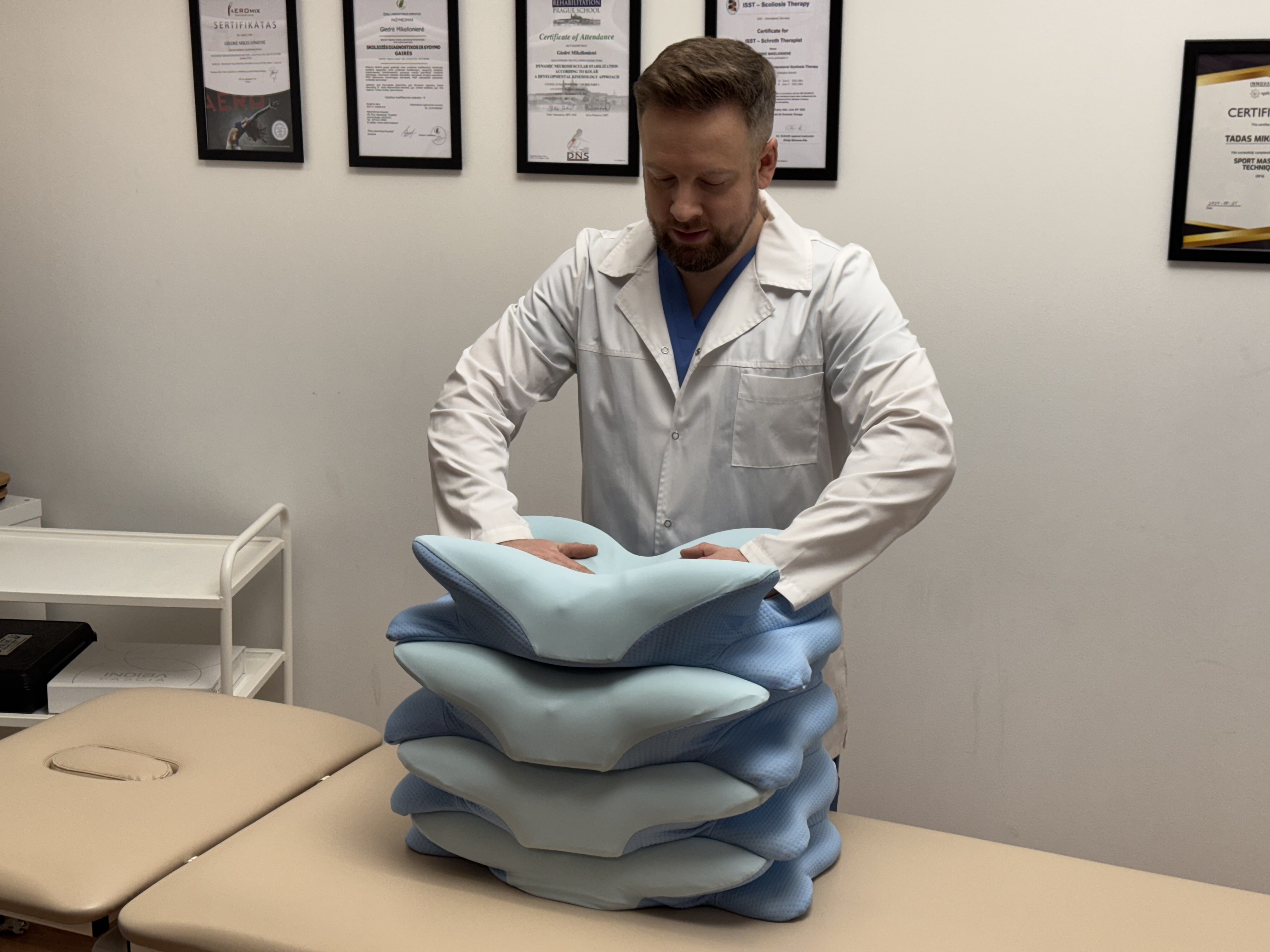
Healthcare professionals evaluate the contoured design for cervical support and clinical suitability
Neck Pain, Headaches, and the Role of Nocturnal Posture
Cervicogenic headaches and mechanical neck pain are frequently exacerbated by suboptimal sleeping posture. When the head is held in sustained rotation or lateral flexion, the suboccipital muscles and the upper trapezius remain under low-level load. Over time this can sensitize local nociceptors and contribute to referred pain patterns.
Orthopedic pillows that encourage a more neutral head position reduce the duration of these stressful postures. While no pillow can claim to “cure” chronic pain conditions, many clinicians recommend a trial of improved cervical support as a low-risk, non-pharmacological intervention. The Derila ERGO is frequently discussed in this context precisely because its contour is intended to limit extremes of cervical motion during sleep.
“Maintaining a neutral cervical alignment for the majority of the sleep period is one of the simplest yet most underutilized strategies for reducing morning neck symptoms.”
Individuals who have previously tried multiple conventional pillows often describe a noticeable difference within the first few nights of using a properly contoured memory foam design such as the Derila ERGO orthopedic pillow. The change is typically reported as reduced “crick in the neck” upon waking and a smoother transition from sleep to alertness.
Temperature Regulation and Sleep Continuity
A common concern with denser foams is heat retention. Modern open-cell and ventilated memory foam formulations, however, allow greater airflow than earlier generations. The Derila ERGO incorporates design elements aimed at mitigating excessive heat buildup around the head and neck—regions that are particularly sensitive to temperature-related sleep disruption.
When surface temperature remains closer to the thermoneutral zone, the likelihood of micro-arousals driven by thermal discomfort decreases. Over a full night this can translate into longer periods of uninterrupted deep and REM sleep—both of which are essential for physical recovery and cognitive restoration.
Comparing Conventional vs. Orthopedic Memory Foam Pillows
The difference is not merely marketing language. Consider the following functional distinctions:
- Shape retention: Fiber-filled pillows gradually flatten; high-density memory foam returns toward its original contour after each use.
- Pressure mapping: Contoured orthopedic designs distribute load more evenly across the contact surface.
- Positional stability: The Derila ERGO is less likely to require constant readjustment during the night.
- Edge support: Side sleepers benefit from the elevated lateral walls that keep the head from rolling off the supportive zone.
These differences become clinically relevant when measured over months rather than single nights. Cumulative exposure to poor cervical posture can outweigh the temporary comfort of a soft but collapsing pillow.
Who May Benefit Most from an Orthopedic Design?
While virtually any sleeper can appreciate improved support, certain groups tend to notice the change more readily:
- Side sleepers with broad shoulders – who require greater loft to keep the neck level.
- Individuals recovering from neck strain or mild cervical strain – for whom neutral positioning is prioritized.
- People who wake with headaches or upper-back tightness – symptoms often linked to overnight postural stress.
- Those who change positions frequently – and therefore need a pillow that performs across multiple postures.
- Users of firmer mattresses – where the contrast between a hard surface and a collapsing pillow is more pronounced.
In each of these scenarios the Derila ERGO memory foam pillow is designed to provide a more consistent mechanical environment for the cervical spine.
Practical Considerations for Transitioning to Memory Foam
Some users report a short adaptation period when switching from a very soft traditional pillow to a more structured orthopedic design. The sensation of “being held” rather than “sinking into” can feel unfamiliar for the first one or two nights. Most people acclimate quickly once the benefits of reduced morning stiffness become apparent.
It is also advisable to evaluate the pillow in the context of the entire sleep system. A highly contoured pillow on an extremely soft mattress may produce different results than the same pillow on a medium-firm surface. The goal remains the same: keeping the cervical spine as close as possible to its natural alignment for the majority of the night.
Experience the difference that intentional cervical support can make.
Learn More About Derila ERGOSummary: Aligning Sleep Surface with Spinal Health
Sleep is not merely the absence of wakefulness; it is an active recovery process during which tissues repair, inflammation is modulated, and the nervous system consolidates the day’s experiences. The mechanical environment in which that recovery occurs—particularly the position of the head and neck—matters more than many people realize.
Quality cervical support allows the body to focus on recovery instead of compensation
The Derila ERGO orthopedic memory foam pillow represents an application of established biomechanical principles to everyday sleep. By combining viscoelastic contouring with a dual-position profile, it aims to reduce the cumulative postural stress that conventional pillows often impose.
Whether the primary goal is fewer morning neck symptoms, more continuous sleep, or simply a more stable platform for the head, the underlying rationale remains consistent: support the cervical spine in a closer approximation of its natural curve, distribute pressure more evenly, and allow the musculature to rest rather than stabilize.
For those ready to evaluate these principles in their own sleep environment, detailed product information and current availability can be found by following the links throughout this page or by visiting the official presentation of the Derila ERGO.
Take the next step toward more restorative sleep.
Discover Derila ERGO